Understanding the Benefits of Laser Skin Resurfacing at Surfers Paradise Skin Clinics
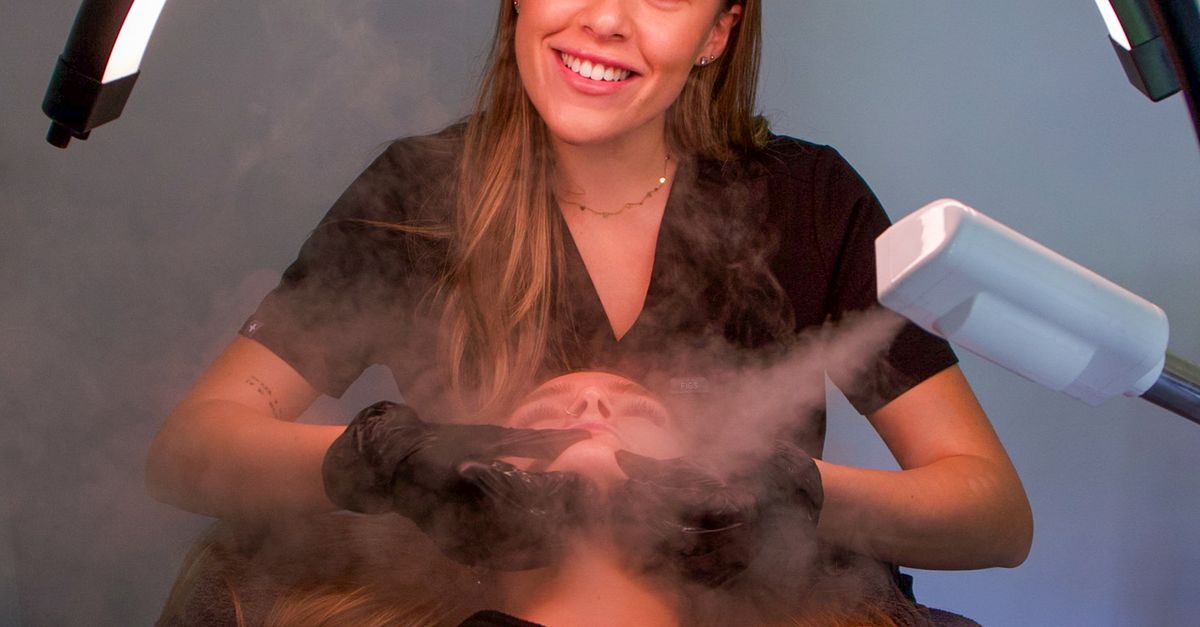
Table Of Contents
The Laser Skin Resurfacing Procedure
Laser skin resurfacing involves using focused beams of light to improve the appearance of the skin. This technique targets specific areas, working to reduce the effects of sun damage, ageing, and other skin imperfections. The procedure typically employs either ablative or non-ablative lasers, each serving different purposes. Ablative lasers remove the outer layer of skin, while non-ablative lasers penetrate deeper without affecting the surface. The choice of laser depends on individual skin concerns and desired outcomes.
Before the session, a thorough consultation is essential to assess skin type and establish the best treatment protocol. Healthcare professionals will often apply a topical anaesthetic to minimise discomfort during the procedure. The session can last from a few minutes to an hour, based on the treated area and laser type. Following the procedure, patients may experience some redness, swelling, and a sensation similar to a mild sunburn, which is a normal part of the healing process.
What to Expect During the Session
During a laser skin resurfacing session, clients can expect a professional and comfortable environment. The procedure typically begins with the application of a topical anaesthetic to minimise discomfort. Practitioners might also provide protective eyewear to shield the eyes from the laser. Once prepped, the laser device is positioned over the treatment area. Depending on the targeted skin concerns, the practitioner adjusts the laser settings to achieve the best results, ensuring to cover all necessary areas.
Feelings of warmth or a mild prickling sensation are common during the procedure, but these sensations usually subside quickly. Sessions can vary in length, depending on the areas being treated and the specific techniques used, generally lasting from 30 minutes to a couple of hours. After the treatment, it is important for clients to discuss their post-treatment care with the practitioner, as immediate aftercare will play a vital role in achieving optimal outcomes.
Post-Treatment Care Instructions
After undergoing laser skin resurfacing, following specific care instructions is crucial for optimal healing. Patients should keep the treated area clean and moisturised. Gentle cleansers are recommended to avoid irritation. Sun protection is crucial, and using a broad-spectrum sunscreen is advised whenever exposure to sunlight occurs. Avoiding direct sunlight for at least two weeks post-treatment will help prevent complications.
It is also important to resist the temptation to pick at any scabs or peeling skin. This can lead to potential scarring and can disrupt the healing process. Staying hydrated can assist in recovery, along with avoiding intense physical activities or heat exposure for several days. Observing any unusual reactions, such as increased redness or swelling, is essential and should prompt a consultation with a healthcare professional.
Essential Aftercare Tips
After undergoing laser skin resurfacing, following specific aftercare instructions is crucial for optimal healing. Patients should keep the treated area clean and apply a gentle cleanser. Avoiding sun exposure is essential; using a broad-spectrum sunscreen with a high SPF protects the skin from UV damage. Staying hydrated also aids the healing process and helps maintain skin elasticity.
Moisturising the treated skin with a recommended ointment or cream encourages recovery and mitigates dryness. It is vital to avoid picking or scratching the skin, as this can lead to complications or scarring. Regular follow-up appointments ensure proper monitoring of the healing process and allow for any adjustments to care routines.
Potential Risks and Side Effects
While laser skin resurfacing is generally considered safe, some individuals may experience side effects. Common reactions include redness, swelling, and a peeling sensation in the treated area. These symptoms typically resolve within a few days but can vary in intensity depending on the individual's skin type and the depth of the treatment. Some people may also experience temporary changes in skin pigmentation, particularly those with darker skin tones.
More serious complications, although rare, can occur. Infections or scarring may arise if proper aftercare instructions are not followed. It's essential for patients to consult with their skin care specialist about any existing conditions or concerns prior to the procedure. An informed discussion can help mitigate risks and ensure that expectations are realistic.
Understanding Common Reactions
Following laser skin resurfacing, patients may experience a range of common reactions as their skin begins the healing process. Redness and swelling are typical immediately after the procedure, often resembling a sunburn. This reaction usually subsides within a few days but can vary based on the individual’s skin type and the intensity of the treatment. Some patients might also notice a sensation akin to tightness or a mild sting, which can be managed with over-the-counter pain relief.
In addition to redness and swelling, it is not uncommon for the skin to peel or flake as it sheds damaged layers. This natural cycle can vary in duration, lasting anywhere from days to a week, depending on the depth of the treatment. Some might experience temporary discolouration or sensitivity to sun exposure during the healing phase. Proper post-treatment care, including moisturisation and sun protection, plays a crucial role in minimising these reactions and promoting optimal healing.
FAQS
What is laser skin resurfacing?
Laser skin resurfacing is a cosmetic procedure that uses targeted laser technology to improve the appearance of the skin by reducing wrinkles, scars, and other skin imperfections.
How long does a laser skin resurfacing session typically last?
A typical session of laser skin resurfacing can last anywhere from 30 minutes to two hours, depending on the size of the treatment area and the specific techniques used.
What should I expect during the laser skin resurfacing procedure?
During the procedure, you may feel a mild to moderate sensation of heat or discomfort. A topical anaesthetic is usually applied beforehand to minimise any pain. The practitioner will carefully guide the laser over your skin, targeting specific areas for treatment.
Are there any specific aftercare instructions I need to follow post-treatment?
Yes, post-treatment care is essential for optimal recovery. Patients are typically advised to keep the treated area clean, moisturised, and protected from sun exposure. It's also important to avoid picking at scabs or peeling skin.
What are some common side effects of laser skin resurfacing?
Common side effects include redness, swelling, and a sensation similar to sunburn in the treated area. These reactions usually subside within a few days to a few weeks, depending on the individual and the intensity of the treatment.
Related Links
Comparing Ablative and Non-Ablative Laser Skin ResurfacingThe Impact of Laser Skin Resurfacing on Acne Scarring
Common Myths About Laser Skin Resurfacing Debunked
What to Expect During Your Laser Skin Resurfacing Consultation
Is Laser Skin Resurfacing Safe for All Skin Types?
Choosing the Right Laser for Skin Resurfacing Treatments
The Role of Technology in Modern Laser Skin Resurfacing Techniques