The Science Behind Laser Skin Resurfacing Explained
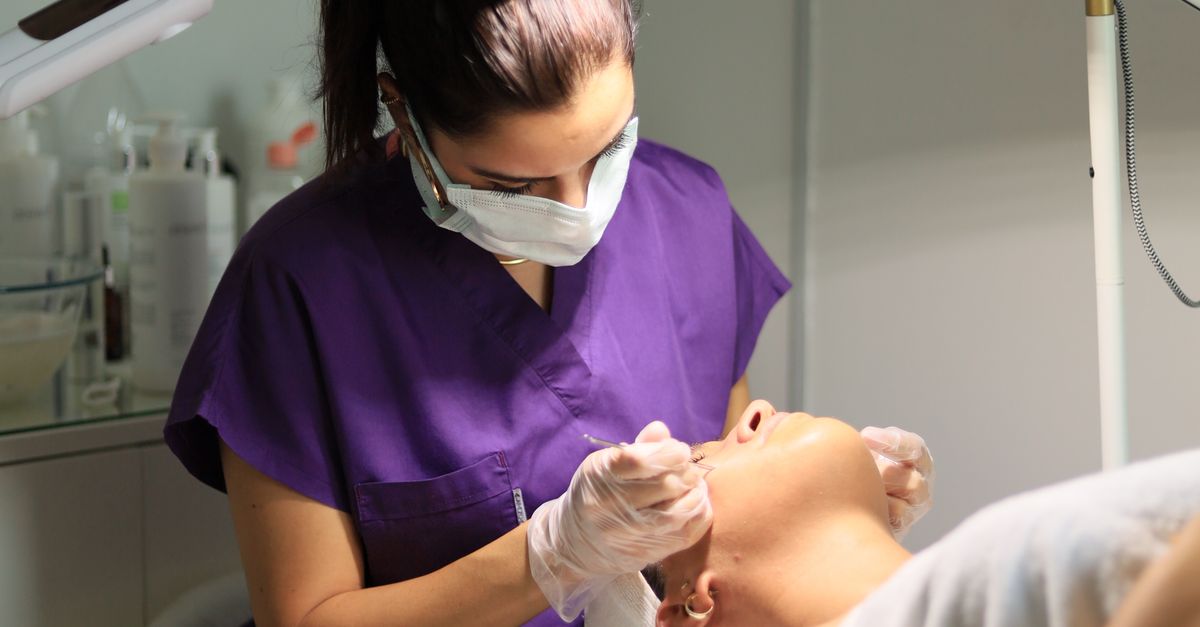
Table Of Contents
Preparing for Your Laser Session
Before your laser skin resurfacing appointment, it's important to prepare your skin adequately. This may involve avoiding sun exposure for several weeks prior to the procedure. Applying a broad-spectrum sunscreen becomes essential to protect your skin from UV rays. Additionally, it is advisable to discontinue the use of certain skincare products, such as retinoids or alpha hydroxy acids, a few days before the session to minimise potential irritation.
Consulting with your practitioner is crucial in the lead-up to your treatment. They may recommend specific products or regimens to enhance your skin’s condition. Discuss any medications you are taking and disclose any skin sensitivities to ensure a tailored approach to your treatment. Hydrating well in the days leading up to your appointment can also aid in supporting your skin's recovery post-procedure.
Steps to Take Before the Treatment
Preparation is crucial before undergoing laser skin resurfacing. A consultation with a qualified dermatologist or practitioner is essential to assess skin type and determine the most suitable laser treatment. Patients should provide a detailed medical history, including any medications, allergies, and previous skin treatments. It is recommended to avoid sun exposure and tanning products for at least two weeks before the procedure. This minimises the risk of complications and ensures optimal results.
In the days leading up to the treatment, patients should refrain from using certain skincare products. This includes retinoids, alpha hydroxy acids (AHAs), and products containing benzoyl peroxide, as these can irritate the skin and affect healing. Staying hydrated is also beneficial, as it helps maintain skin elasticity. Those considering the procedure should discuss any concerns with their practitioner to ensure a clear understanding of the process and expected outcomes.
What to Expect During the Procedure
During the procedure, the skin will be thoroughly cleansed to remove any dirt or oils. A topical anaesthetic is typically applied to minimise discomfort, allowing for a more comfortable experience. Depending on the type of laser used, the practitioner will adjust the settings based on individual skin conditions and desired results. The laser device itself may produce a sensation ranging from mild warmth to a prickling feeling as it passes over the skin.
Patients might hear a soft buzzing sound during the treatment as the laser is activated. Protective eyewear will be provided to shield the eyes from the beam. The duration of the procedure varies depending on the area being treated and the specific goals set out with the practitioner. After the session, the skin may appear red and slightly swollen, resembling a mild sunburn. This is a normal reaction as the skin begins to heal and regenerate.
Pain Levels and Comfort Measures
Patients often express concern about the discomfort associated with laser skin resurfacing treatments. The level of pain experienced can vary greatly depending on individual tolerance and the specific type of procedure being performed. Many practitioners use topical anaesthetics or numbing creams to minimise discomfort before starting the treatment. For more intensive procedures, sedation may be offered to enhance comfort throughout the session.
During the procedure itself, sensations of heat or mild stinging can occur, but these are usually brief and subside quickly. Practitioners frequently monitor their patients to ensure that discomfort is kept to a minimum. Post-treatment, it is common for some redness, swelling, or a feeling similar to sunburn to arise as the skin begins to heal. Cold compresses and prescribed pain relief can help manage any lingering discomfort during recovery.
Aftercare and Recovery
Following laser skin resurfacing, it is vital to adhere to the aftercare instructions given by your healthcare professional. Keeping the treated area clean and moisturised will help in the healing process. It’s important to avoid sun exposure, as the skin will be particularly sensitive. Utilising a broad-spectrum sunscreen with a high SPF can further protect the skin while it heals. Hydration plays a crucial role in recovery, so drinking plenty of water is also recommended.
Monitoring for any signs of infection or unusual changes in the treatment area is essential during the recovery phase. If any complications arise, contacting your clinician for guidance is necessary. Gentle cleansing and the application of recommended topical treatments can facilitate skin restoration and improve outcomes. Engaging in a healthy diet, rich in vitamins and minerals, may support the overall healing process.
Essential Tips for Healing
Post-treatment care plays a vital role in achieving optimal results from laser skin resurfacing. Keeping the skin clean and moisturised helps to promote healing and reduce the risk of complications. Using recommended skincare products, particularly those that are gentle and free from irritants, can support the recovery process. Sun protection is equally crucial; applying a broad-spectrum sunscreen with a high SPF prevents UV damage to the sensitive skin as it heals.
Staying hydrated is also important during recovery. Drinking plenty of water aids skin healing and maintenance, enhancing the overall recovery experience. Avoiding strenuous activities or excessive sweating in the days following the procedure can minimise discomfort and reduce the chance of inflammation. Regular follow-up appointments with your dermatologist help monitor the healing progress and allow for timely intervention if any issues arise.
FAQS
What is laser skin resurfacing?
Laser skin resurfacing is a cosmetic procedure that uses focused laser beams to remove damaged skin layers, stimulate collagen production, and improve skin texture and appearance.
How should I prepare for my laser skin resurfacing session?
Preparing for your session includes avoiding sun exposure, refraining from certain medications and skincare products, and following any pre-treatment instructions provided by your dermatologist.
Will the laser skin resurfacing procedure be painful?
Pain levels can vary, but most patients report feeling a mild discomfort during the procedure. Numbing creams or sedation may be used to enhance comfort.
How long is the recovery period after laser skin resurfacing?
Recovery time can vary depending on the type of laser used and the individual's skin condition, but it generally ranges from a few days to two weeks for initial healing.
What aftercare steps should I follow post-treatment?
Essential aftercare includes keeping the treated area clean, applying prescribed ointments, avoiding sun exposure, and following your dermatologist's specific instructions for optimal healing.
Related Links
Comparing Ablative and Non-Ablative Laser Skin Resurfacing TechniquesWhat to Expect During Your Laser Skin Resurfacing Treatment
Laser Skin Resurfacing for Scarring: Success Stories and Insights
Frequently Asked Questions About Laser Skin Resurfacing
Finding the Right Skin Clinic for Laser Skin Resurfacing in Surfers Paradise
Long-Term Results of Laser Skin Resurfacing: What You Need to Know
Cost Considerations for Laser Skin Resurfacing in Surfers Paradise
How to Prepare for Your Laser Skin Resurfacing Appointment