The Science Behind Chemical Peels: How They Work on Your Skin
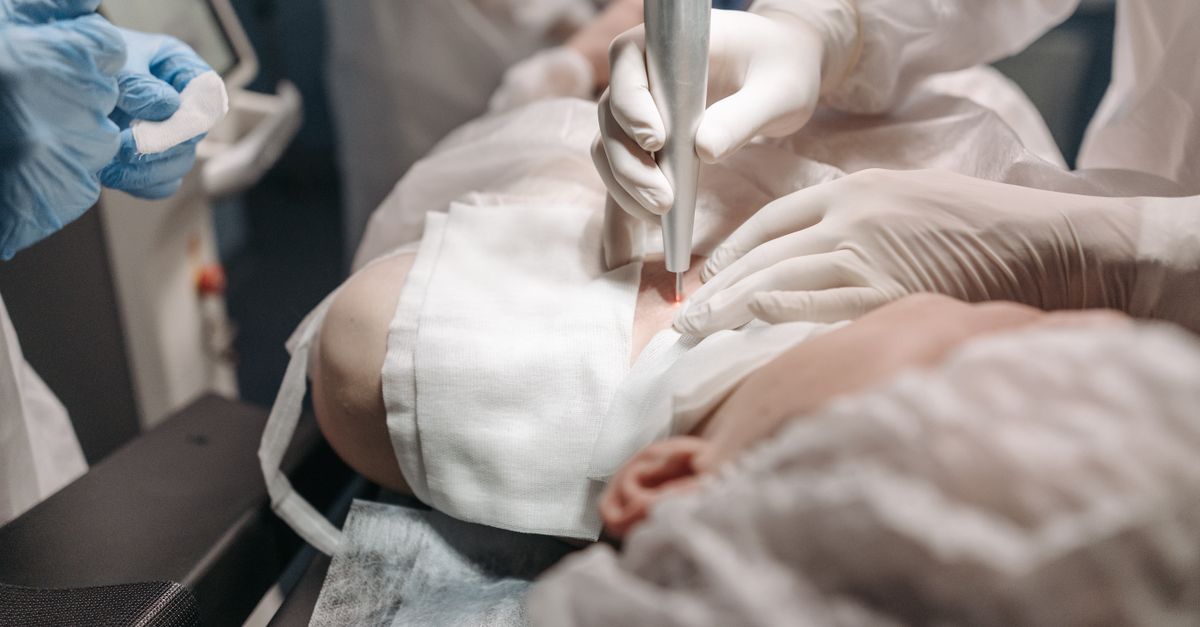
Table Of Contents
Benefits of Chemical Peels
Chemical peels are recognized for their ability to rejuvenate the skin and address various skin concerns. They effectively exfoliate the outer layer of dead skin cells, which can lead to improved texture and radiance. Many people experience a reduction in the appearance of fine lines, age spots, and acne scars after treatment. This process stimulates collagen production, enhancing skin elasticity and firmness over time.
Additionally, chemical peels can aid in treating conditions like hyperpigmentation and acne. By promoting cell turnover, these treatments help to unclog pores and reduce the occurrence of blemishes. Patients often notice a more uniform skin tone and a clearer complexion following multiple sessions. Overall, chemical peels offer a range of aesthetic benefits, making them a popular choice for individuals seeking to enhance their skin health.
Improving Skin Texture and Tone
Chemical peels are an effective treatment for addressing various skin concerns, including uneven texture and tone. By exfoliating the outer layers of the skin, these procedures stimulate cellular turnover, leading to a smoother surface. Improved skin texture can result in a more radiant and youthful appearance, as dead skin cells are sloughed away, revealing the healthier layers underneath. This process can also diminish the visibility of pores and fine lines, contributing to an overall refined complexion.
In addition to texture enhancement, chemical peels can effectively address issues related to discolouration. Dark spots, sun damage, and hyperpigmentation can be significantly reduced through the application of specific acids found in peels. As the skin heals and regenerates, even skin tone becomes a more achievable outcome for those struggling with uneven pigmentation. Patients often report noticeable changes in skin clarity and brightness following treatments, reinforcing chemical peels' efficacy for improved visual appeal.
Suitable Skin Types for Peels
Understanding skin type is crucial when considering chemical peels. Different peels cater to various skin concerns. Oily skin often benefits from salicylic acid peels, whereas dry skin may respond better to glycolic acid formulations. Those with sensitive or reactive skin should opt for gentler options or consult a dermatologist for tailored advice.
Individuals with darker skin tones may face a higher risk of post-inflammatory hyperpigmentation with certain types of peels. It’s essential for them to choose peels specifically designed to minimise risks while still delivering benefits. Consulting a professional for a thorough skin assessment can help determine the most suitable treatment approach.
Identifying Your Skin Type
Understanding skin types is essential for determining the most suitable chemical peel treatment. Generally, skin types can be categorised into four primary groups: normal, oily, dry, and combination. Each type has unique characteristics. Normal skin features a balanced mix of moisture and oil. Oily skin appears shiny and may be prone to acne. Dry skin feels rough or tight and may show signs of flakiness. Combination skin presents a mixture, often oily in the T-zone and dry on the cheeks.
To accurately identify your skin type, consider factors such as moisture levels, pore size, and the presence of any skin conditions. Observe how your skin reacts to different weather conditions. Take note of your skin's behaviour after washing; does it feel tight, slick, or just right? Consulting with a dermatologist can also provide valuable insights. By clearly defining your skin type, you can make informed decisions regarding the right chemical peel for your needs.
What to Expect During a Chemical Peel
During a chemical peel, the initial step typically involves a thorough cleansing of the skin. This process removes any makeup, dirt, and oils, preparing the surface for the treatment. A practitioner may then apply a specific type of chemical solution tailored to the needs of the skin. Depending on the depth of the peel, sensations may range from mild tingling to a more pronounced stinging feeling.
After the application, there is usually a waiting period during which the solution works on the skin. The practitioner monitors the progress closely. Following this, the peel is neutralised and removed, often accompanied by the use of soothing agents to calm the skin. Post-treatment, it is essential to follow the aftercare advice provided to ensure optimal healing and results. Many might experience redness and peeling for a few days, which is part of the natural recovery process.
The Step-by-Step Process
Before the procedure begins, a thorough consultation is conducted to assess the individual's skin type and concerns. This helps in selecting the most appropriate type of peel, whether superficial, medium, or deep. The skin is then cleansed to remove any makeup, oils, or impurities. A skin prep solution may be applied to enhance the efficacy of the peel and minimise potential risks.
Once the skin is prepped, the chemical solution is carefully applied. Depending on the type of peel, this may involve a variety of acids aimed at exfoliating the outer layers of skin. A specific timeframe is observed, and patients often feel a tingling or warming sensation during this period. After the appropriate time has passed, the solution is neutralised or removed, followed by soothing products tailored to promote healing and comfort.
FAQS
What are chemical peels used for?
Chemical peels are used to improve skin texture, tone, and clarity. They can help reduce the appearance of fine lines, acne scars, sun damage, and uneven pigmentation.
How do I know if a chemical peel is suitable for my skin type?
It’s important to consult a skincare professional who can assess your skin type and concerns. Generally, lighter peels are suitable for sensitive skin, while deeper peels may be better for more resilient skin types.
What should I expect during a chemical peel procedure?
During a chemical peel, the skin is cleansed, and a chemical solution is applied to exfoliate and remove the outer layers of skin. You may experience a tingling or burning sensation, but this typically subsides quickly.
How long does it take to see results from a chemical peel?
Results can often be seen within a few days after the peel, depending on the depth of the treatment. Skin may continue to improve over the following weeks as the skin heals and regenerates.
Are there any risks or side effects associated with chemical peels?
While chemical peels are generally safe, some potential side effects include redness, swelling, peeling, and sensitivity. It’s crucial to follow post-peel care instructions to minimise risks and achieve the best results.
Related Links
Comparing Light, Medium, and Deep Chemical PeelsHow Chemical Peels Can Help with Sun Damage and Hyperpigmentation
Post-Chemical Peel Care: Tips for Optimising Your Results
Finding the Best Skin Clinic in Surfers Paradise for Your Chemical Peel
Choosing the Right Chemical Peel for Your Skin Concerns
Chemical Peels: A Comprehensive Guide for Surfers Paradise Residents
What to Expect Before and After Your Chemical Peel Appointment