Latest Advances in Skin Rejuvenation Therapies for Youthful Skin
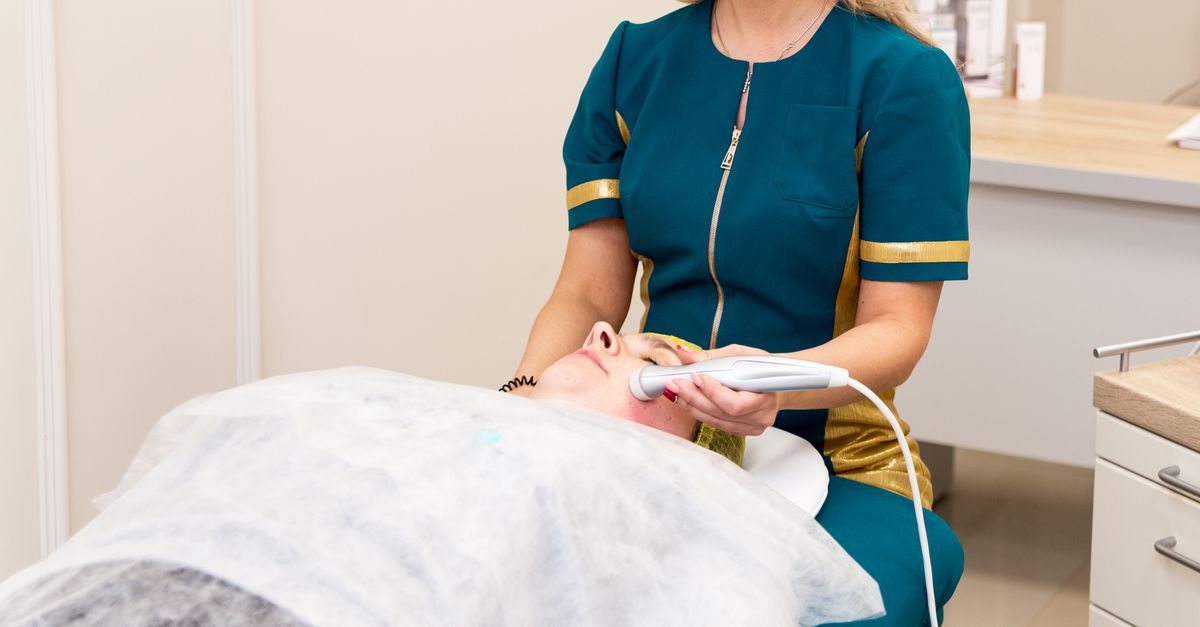
Table Of Contents
Non-Invasive Ultrasound Therapy
Non-invasive ultrasound therapy has gained recognition for its ability to stimulate collagen production while minimising discomfort and recovery time. This innovative approach employs high-frequency sound waves, which penetrate the skin’s surface and target deeper layers. By heating the underlying tissues, the treatment encourages the body’s natural healing processes, leading to firmer and more youthful-looking skin.
The procedure is suitable for various skin types and ages, making it an appealing option for those seeking rejuvenation without surgical intervention. Results typically emerge gradually over a few months, allowing individuals to enjoy a more natural transformation. As technology continues to evolve, the potential applications of ultrasound therapy in skin rejuvenation are expanding, providing new hope for effective anti-ageing solutions.
How Ultrasound Technology Targets Deeper Skin Layers
Ultrasound technology has gained traction in the realm of skin rejuvenation due to its ability to target deeper layers of skin without the need for invasive procedures. By employing focused ultrasound waves, practitioners can stimulate collagen production and enhance skin elasticity. This non-invasive approach reaches the foundational layers of the dermis, where traditional topical treatments often fall short. Patients appreciate that the procedure requires minimal downtime, making it an appealing option for those seeking a more youthful appearance without significant disruptions to their daily lives.
The precision of ultrasound technology allows for customised treatments tailored to individual skin concerns. Practitioners can adjust settings to suit different skin types, ensuring that the ultrasound energy penetrates to the appropriate depths. This adaptability not only maximises the effectiveness of the therapy but also minimises the risk of damage to the upper skin layers. As a result, individuals experience firmer skin, refined facial contours, and an overall rejuvenated look. This innovative method is continuously evolving, paving the way for enhanced outcomes in skin rejuvenation strategies.
Stem Cell Therapies for Skin Rejuvenation
The application of stem cell therapies in dermatology has garnered significant attention for its potential to rejuvenate skin by addressing the underlying causes of aging. Stem cells have the remarkable ability to differentiate into various cell types, which enables them to initiate the repair and regeneration of damaged tissues. This regenerative capability is particularly beneficial for the skin, where factors such as sun exposure and environmental stressors can accelerate the aging process. Recent studies have shown that stem cells derived from various sources, including adipose tissue and umbilical cord blood, can improve skin texture, elasticity, and overall appearance.
Utilising stem cells for skin rejuvenation involves several methods, including topical applications and injectable treatments. These therapies can infuse the skin with growth factors and cytokines that stimulate collagen production and enhance cellular turnover. Furthermore, clinics are increasingly adopting personalised approaches, tailoring treatments based on individual skin needs and conditions. While clinical results are promising, ongoing research is essential to fully understand the mechanisms at play and to establish standard protocols that ensure efficacy and safety for broader patient populations.
The Science Behind Stem Cell Applications in Dermatology
Stem cell therapies have revolutionised dermatology by harnessing the regenerative capabilities of these unique cells. Stem cells possess the ability to differentiate into various cell types, which is particularly valuable in repairing damaged skin. Researchers have focused on isolating stem cells from sources such as adipose tissue, bone marrow, and even the umbilical cord. Once harvested, these cells can be cultured and injected into areas requiring rejuvenation, promoting tissue repair and the production of new skin cells.
The application of stem cells in skincare is underpinned by their ability to secrete growth factors that stimulate collagen production and enhance skin elasticity. This leads to a visible reduction in fine lines and wrinkles, improving overall skin texture. Ongoing studies are exploring how these therapies can be tailored to target specific skin conditions, from acne scars to psoriasis. As the field evolves, the potential for stem cell therapies to cater to individual needs continues to expand, offering hope for more personalised skincare solutions.
Innovations in Topical Anti-Ageing Treatments
Recent advancements in topical anti-ageing treatments have sparked excitement in the skincare industry. Formulations now increasingly leverage innovative ingredients that offer not just superficial benefits but also target the underlying causes of skin ageing. One such breakthrough is the integration of peptides, which help stimulate collagen production and improve skin elasticity. Additionally, advancements in delivery systems have enhanced the penetration of these active ingredients into deeper skin layers, maximising their efficacy.
Another notable trend in topical solutions is the use of botanical extracts known for their antioxidant properties. Ingredients like bakuchiol, derived from the Psoralea corylifolia plant, mimic retinol effects without the irritation commonly associated with synthetic retinoids. The inclusion of probiotics in skincare also offers a unique approach, supporting the skin's microbiome to maintain balance and resilience. These developments are paving the way for more effective, scientifically backed solutions in the quest for youthful skin.
The Latest Ingredients Making Waves in Skincare
Recent developments in skincare have introduced a variety of innovative ingredients that promise to enhance skin health and appearance. One standout is bakuchiol, a plant-derived alternative to retinol. It provides similar benefits, such as reducing fine lines and improving skin elasticity, without the irritation often associated with traditional retinoids. This makes bakuchiol an appealing option for those with sensitive skin, allowing them to enjoy anti-ageing effects without compromising comfort.
Another exciting ingredient gaining traction is niacinamide, known for its versatility in addressing multiple skin concerns. This powerful form of vitamin B3 helps to improve skin barrier function, regulate oil production, and even out skin tone. Its anti-inflammatory properties make it beneficial for acne-prone skin. Recent formulations have combined niacinamide with other active ingredients, maximising its impact and offering users a comprehensive approach to youthful, healthy skin.
FAQS
What is non-invasive ultrasound therapy for skin rejuvenation?
Non-invasive ultrasound therapy is a cosmetic treatment that uses sound waves to penetrate deep into the skin layers, stimulating collagen production and promoting skin tightening without the need for surgery.
How does ultrasound technology target deeper skin layers?
Ultrasound technology delivers focused energy to specific layers of the skin, bypassing the surface. This energy stimulates the production of collagen and elastin, leading to firmer and more youthful-looking skin.
What are stem cell therapies in dermatology?
Stem cell therapies in dermatology involve the use of stem cells to regenerate skin cells, promote healing, and improve overall skin quality, helping to reduce signs of aging and damage.
What scientific principles support the use of stem cells for skin rejuvenation?
Stem cells have the unique ability to differentiate into various cell types and promote tissue regeneration. In dermatology, they help enhance skin repair processes and stimulate collagen production, which is vital for youthful skin.
What are some of the latest ingredients in topical anti-ageing treatments?
Some of the latest ingredients making waves in skincare include peptides, hyaluronic acid, retinoids, and antioxidants like vitamin C, which work together to improve skin texture, reduce wrinkles, and provide hydration.
Related Links
How Skin Rejuvenation Can Enhance Your Natural GlowPost-Treatment Care for Optimal Skin Rejuvenation Results
Tailoring Skin Rejuvenation Treatments to Your Skin Type
The Science Behind Effective Skin Rejuvenation Therapies
Comparing Different Skin Rejuvenation Approaches: What to Choose?
Non-Invasive Skin Rejuvenation Techniques You Should Know